Massage enters precision medicine.
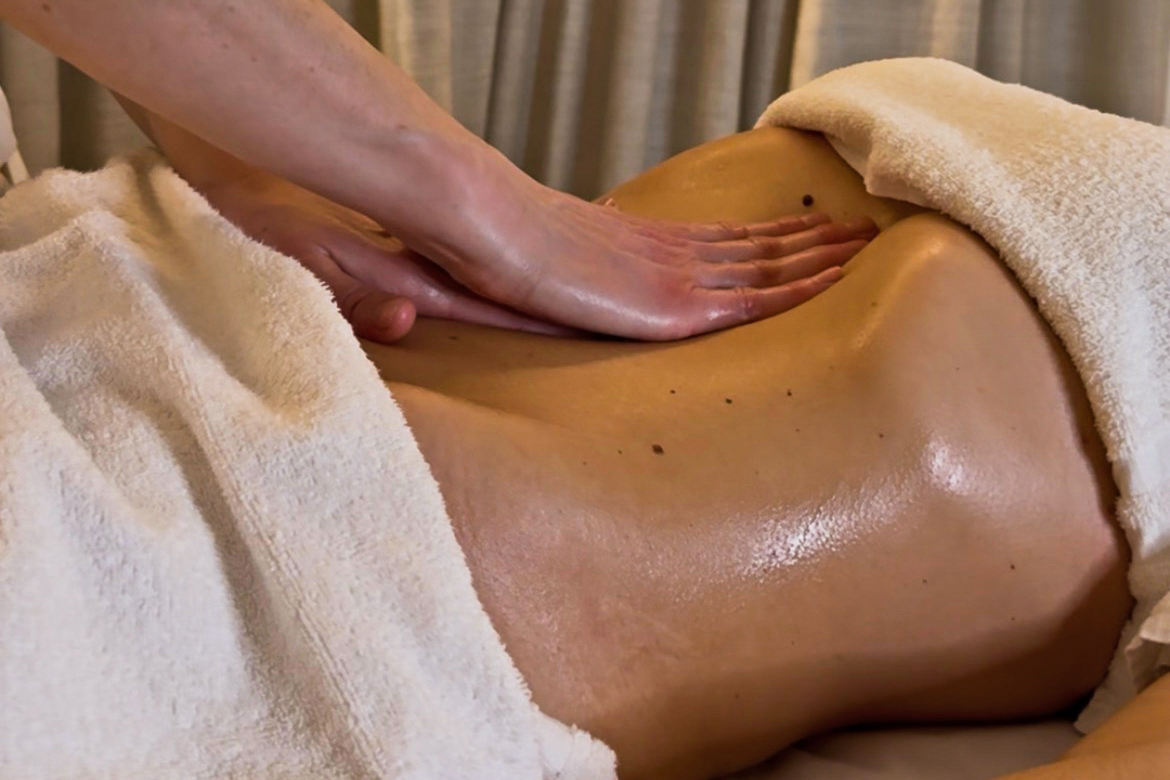
From simple well-being to a personalised biological stimulus.
We have always described it as relaxation, lightness, release, pleasure. All true. But today our knowledge of physiology, mechanobiology and the nervous system gives us a broader perspective: touch is a stimulus and the body responds to stimuli. In this view, massage becomes a complementary tool of self-care, especially when it is included in a personalised pathway and combined with healthy lifestyles.
Precision Massage: From Relaxation to Biological Stimulus
The body also “listens” through its tissues. The skin is not simply a wrapping and connective tissue is not just a supporting structure. They are biologically active systems, rich in receptors and in constant communication with the nervous system and the rest of the body.
Pressure, traction, gliding and movement produce mechanical stimuli that cells can transform into biochemical signals: this is the principle of mechanotransduction.
This means changing perspective.
Manual work does not act only on the surface of the body: it engages with its physiology.
Depending on the techniques used, the intensity, the duration and the person being treated, massage can be directed towards different goals. It is from this principle that massage can meet the culture of precision medicine and prevention.
This is where a new concept is born: precision massage.
It does not mean attributing to massage the role of a medical therapy, nor promising to cure a disease. It means using increasingly advanced physiological knowledge to choose which stimulus to offer, to whom, with what intensity, at what temperature, with which active ingredients and for what goal.
But precision also concerns what we choose to apply to the skin. This gives rise to the concept of precision dermocosmetics: not choosing a product simply because it belongs to a certain protocol, but selecting formulations and active ingredients because they are right for that skin, that person and that goal.
This is where massage becomes a personalised biological dialogue with the body, in which science helps us understand ever better what hands have always observed.