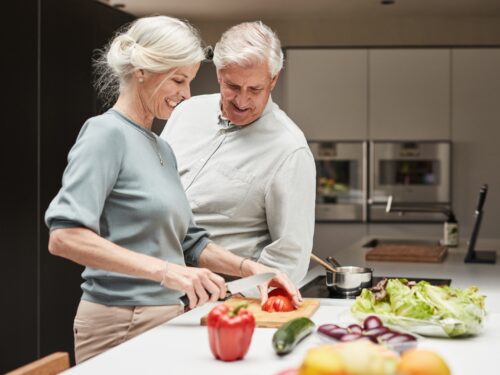
From prescription to plate: how to turn a personalised plan into daily habits.
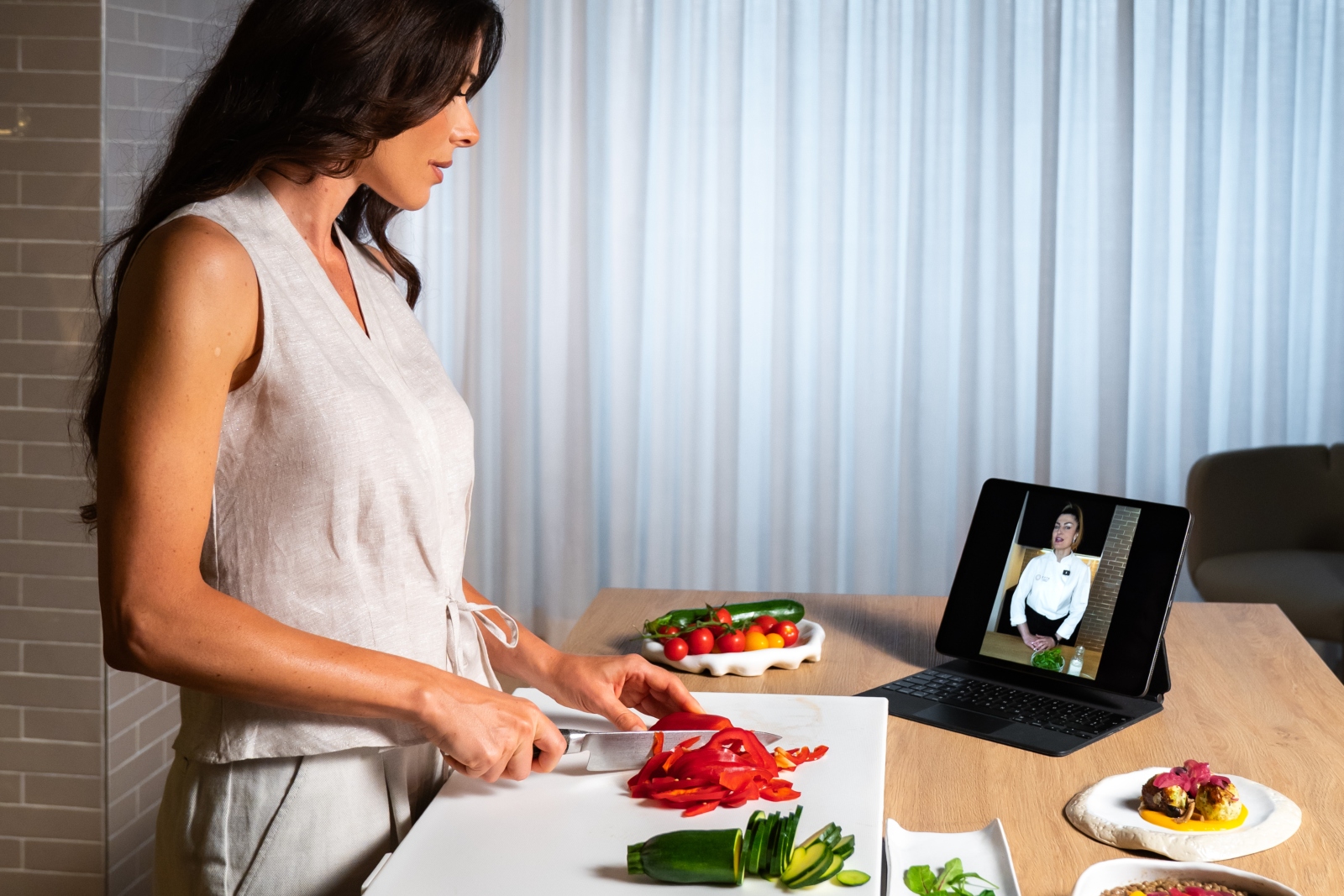
How to turn a personalised nutrition plan into practical, tasty and sustainable choices every day.
You go home with a nutrition plan built around your needs. The instructions are clear, motivation is high. Then Monday arrives: a meeting runs late, the fridge is half empty and at eight in the evening the question is always the same: «So what do I cook now?».
It is in this gap between what we know and what we manage to do that one of the most concrete challenges of dietary change lies hidden. It is not enough to know which foods to choose: you need to know how to buy them, store them, prepare them and bring them to the table even when time is short. My work as a natural cuisine chef and food & cooking coach starts precisely here: turning the nutritional guidance received from a qualified professional into everyday actions that are achievable, without losing the pleasure of eating.
From paper to real life
A personalised nutrition plan is not a collection of recipes. It is a clinical or professional tool that takes into account individual goals, needs and characteristics. Establishing whether a food is suitable, in what quantities and how often is the responsibility of the professional who follows the person. My role is different and complementary: to teach the cooking and organisational skills needed to apply that guidance independently.
The difference shows in the small questions: how do I cook fish without drying it out? How do I vary pulses? If I get home late, how do I prepare dinner without starting from scratch? When we find practical answers, the pathway stops being a list of rules and becomes part of everyday life.
First step: shopping that helps, not complicates
Part of the problem starts before you turn on the hob: we buy ingredients that are unrelated to each other and then find ourselves improvising.
I suggest a simple habit: before shopping, open the fridge, freezer and pantry, check what needs to be used up and imagine three or four possible meals. There is no need to plan every mouthful, but to choose versatile ingredients: seasonal vegetables, cereals and cereal products, pulses, the protein sources included in your plan, herbs, spices and condiments. Frozen food too, when it is a simple product suited to your needs, is a valuable ally: it saves time and helps limit waste.
A tip I often give is to think in terms of «components» rather than individual recipes. Courgettes are not just a side dish: they can become a cream for pasta, accompany a frittata or enrich a bowl of grains such as quinoa, spelt, etc. This way you buy fewer superfluous ingredients and multiply the possibilities.
Second step: meal prep does not mean always eating the same thing
Meal prep is sometimes imagined as an entire Sunday spent filling identical containers. That is not the approach I prefer. I like to talk about smart preparation: devoting a reasonable amount of time to a few basic elements, to be combined in different ways over the following days.
For example, in one cooking session we can cook a grain, prepare a tray of vegetables, make some hummus and an aromatic sauce. We have created new possibilities. Quantities and combinations will always need to be adapted to the personal plan, but the organisational principle remains valid for many eating styles.
Then there is an often-forgotten skill: storage. Preparing in advance is only useful if we know how to cool cooked food quickly, put it in clean containers and store it correctly in the fridge or freezer. Food safety is an integral part of cooking that aims to make us feel well, not a secondary detail.
A concrete example: three dinners, one base
Imagine we have prepared in advance cooked chickpeas, roasted carrots and courgettes, a small amount of rice and a dressing of extra virgin olive oil, lemon and herbs. From these ingredients we can build three different dinners, completing them according to individual guidance.
On the first evening the rice becomes a warm bowl with vegetables and chickpeas, scented with lemon and parsley. On the second evening we blend some of the chickpeas with water, spices and a drizzle of oil to obtain a smooth cream, to be served with vegetables and the other foods included in the plan. On the third evening we turn the vegetables into the base of a frittata, or into a sauce for a pasta dish, adding whatever is needed to complete the meal.
It is not a universal menu: portions and combinations must be agreed with whoever drew up the plan. I am showing a method. The same foods, with different techniques, can offer new textures and flavours. Organisation should give us back freedom.
Third step: learning techniques, not collecting recipes
A recipe can be delicious, but if repeating it requires twelve unusual ingredients and an hour and a half of work, it will hardly become a habit. This is why, in food & cooking coaching pathways, I prefer to start from reusable skills: managing cooking methods, recognising when a preparation is just right, balancing textures and aromas, using leftovers safely, choosing substitutions compatible with the guidance received.
Think of a chicken breast: overcooking can make it dry and unappetising. A suitable cut, a marinade when useful and control of cooking temperature and times are enough to obtain a more enjoyable dish, without necessarily adding elaborate sauces. Or think of pulses: whole in a salad, mashed in a patty, blended into a cream, they tell three completely different gastronomic stories.
This is the point: learning a technique means being able to use it dozens of times, with different ingredients and seasons. It is more useful than a fixed list of «right» recipes.
Pleasure is an ally of consistency
Sometimes the language of dietary well-being revolves only around what needs to be limited. But eating is also conviviality, memory, curiosity and pleasure. If a pathway forces us to experience every meal as a chore, it will be hard to imagine keeping it up for years.
Organisation alone does not solve complex clinical or behavioural difficulties. But taste, practicality and compatibility with your life matter. Sustainable eating does not require perfection: it requires tools to find your direction again even after a chaotic week, a dinner out or a tiring day.
In my experience, one of the most beautiful signs of growth comes when a person stops asking «Can I eat this?» and starts asking «How can I prepare it in a way that suits me?». It is a change of perspective: from dependence on instructions to the ability to choose.
Longevity, one daily choice at a time
Talking about longevity does not mean chasing the perfect dish or a single miracle ingredient. It means creating the conditions for health-promoting behaviours to last over time, together with the other pillars of well-being, such as movement, rest and prevention.
The healthcare professional defines the appropriate pathway; educational work in the kitchen helps make it concrete. On one side there are nutritional assessment and personalisation, on the other the hands that cut, cook, taste, organise and learn. They are not two separate worlds: they meet every time a recommendation becomes a meal that is actually prepared.
This is the idea I bring to my courses and consultations: not cooking «perfectly» for a few weeks, but building skills that last. Because healthy cooking should not be a parenthesis in our lives. It should naturally become a more mindful and enjoyable way of living them.